


Revolutionizing Sound Healing with Automatic Singing Bowls
Updated: May 9
Sound healing has been around for centuries, but today, we stand at the brink of a new era. Imagine blending ancient wisdom with cutting-edge technology to create a sound experience that’s not only immersive but also effortless. That’s exactly what’s happening with advanced sound healing tools, and I’m thrilled to share how these innovations are transforming the way we connect with sound.
Whether you’re a seasoned sound healer, a performer, or someone curious about the next wave of sonic therapy, this post will guide you through the exciting world of modern sound healing instruments. Let’s dive in!
Exploring Advanced Sound Healing Tools: What’s New and Why It Matters
The world of sound healing is evolving fast. Traditional instruments like singing bowls, gongs, and tuning forks have long been cherished for their therapeutic properties. But now, technology is stepping in to enhance these tools, making them more accessible and versatile.
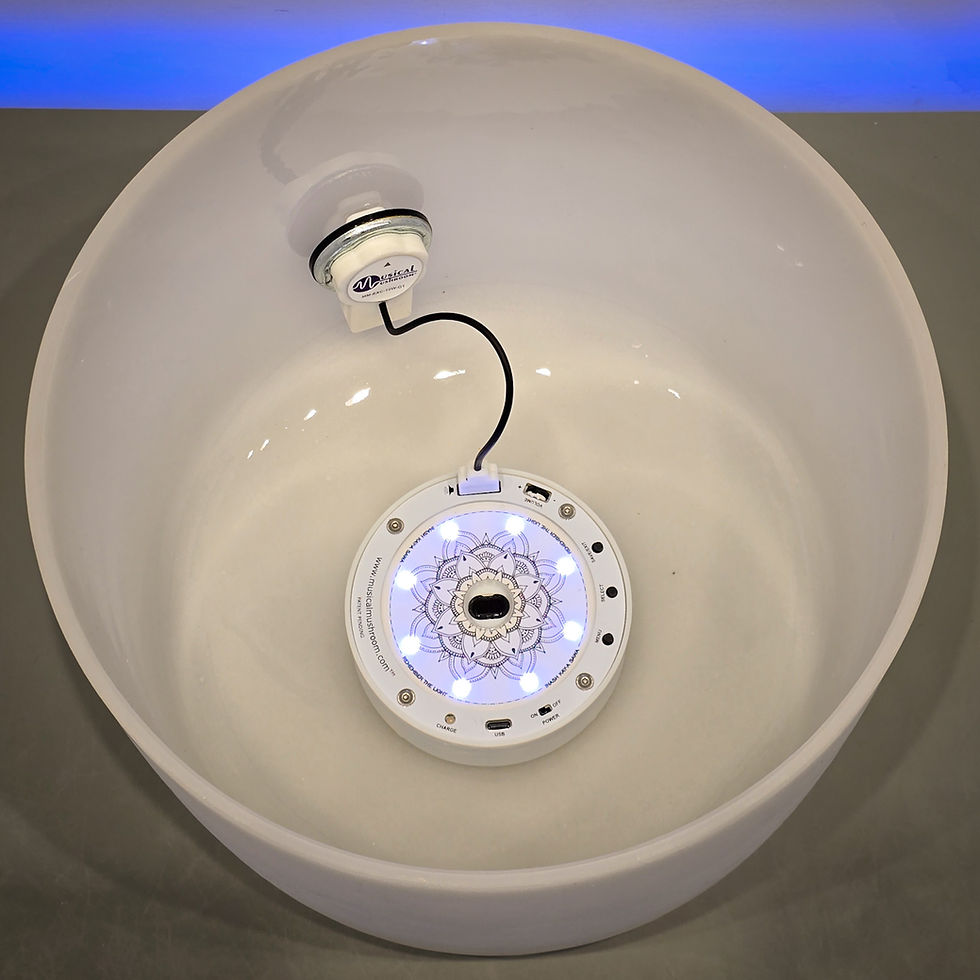
One standout innovation is the integration of automation in playing instruments. For example, the automatic singing bowl is a game-changer. It allows for consistent, precise vibrations without the need for manual striking or rubbing. This means you can focus more on your healing session or performance, while the instrument delivers perfect tones every time.
Why does this matter? Because consistency in sound frequency and duration is crucial for effective healing. Advanced tools help maintain that consistency, ensuring every session is as powerful as the last.
Here are some benefits of using advanced sound healing tools:
Precision: Automated instruments produce exact frequencies and rhythms.
Accessibility: Beginners can easily use these tools without extensive training.
Versatility: Perfect for live performances, meditation, therapy, and personal practice.
Durability: Modern materials and technology extend the lifespan of instruments.

How Technology is Enhancing Traditional Sound Healing Instruments
You might wonder, how exactly does technology improve these ancient tools? Let me break it down step-by-step.
Automation for Consistency
Devices like the automatic singing bowl use automatic electronic means to create continuous sound waves. This removes human error and fatigue, allowing for longer, uninterrupted sessions.
Smart Controls
Many advanced tools come with apps or remote controls. You can adjust volume, frequency, and rhythm with a tap, tailoring the experience to your needs.
Integration with Other Modalities
Some instruments sync with light therapy, aromatherapy, or biofeedback devices, creating a multi-sensory healing environment.
Portability and Durability
Modern materials make instruments lighter and more robust, perfect for traveling healers or performers on the go.
By embracing these innovations, sound healers can expand their practice, reaching more people and delivering deeper experiences.

What is the difference between 432 and 440 Hz singing bowls?
This is a hot topic in the sound healing community! The frequency at which a singing bowl is tuned can significantly affect its impact on the listener.
432 Hz Singing Bowls
Often called the “natural tuning,” 432 Hz is believed to resonate with the universe’s natural frequency. Many users report feelings of deep relaxation, emotional release, and a sense of harmony with nature when using bowls tuned to this frequency.
440 Hz Singing Bowls
This is the standard tuning for most modern music. It’s slightly sharper and more vibrant. While it’s widely accepted and used, some argue it’s less calming compared to 432 Hz.
So, which one should you choose? It depends on your intention. If you want to promote deep healing and connection, 432 Hz might be your go-to. For energetic performances or more upbeat sessions, 440 Hz could be ideal.
Pro tip: Try both frequencies in your practice and notice how your body and mind respond. Personal experience is the best guide!
Practical Tips for Integrating Advanced Sound Healing Tools into Your Practice
Ready to bring these innovations into your sessions? Here’s how you can start:
Start Small
If you’re new to technology-enhanced instruments, begin with one device like an automatic singing bowl. Get comfortable with its features before expanding.
Experiment with Settings
Play around with frequencies, rhythms, and durations. Notice how different settings affect your mood and energy.
Combine with Traditional Techniques
Use automated tools alongside manual playing. This blend can create dynamic and rich soundscapes.
Educate Your Clients or Audience
Share the benefits of these tools. When people understand the technology behind the sound, they often feel more connected and open to the experience.
Maintain Your Instruments
Follow manufacturer guidelines for care and maintenance. This ensures longevity and optimal performance.
By following these steps, you’ll enhance your sound healing practice and offer unique experiences that stand out.
Embracing the Future of Sound Healing: Your Next Steps
The fusion of tradition and technology is opening doors to new possibilities. Advanced sound healing tools are not just gadgets; they are bridges connecting us to deeper states of consciousness and well-being.
If you’re curious about exploring this frontier, I encourage you to check out resources and products that specialize in these innovations. For instance, the automatic singing bowl is a perfect example of how technology can elevate your practice.
Remember, sound healing is a journey. With these tools, you’re equipped to make that journey more vibrant, accessible, and impactful.
So, why wait? Dive in, experiment, and let the waves of sound transform your world!
Happy healing and harmonious vibes!


Comments